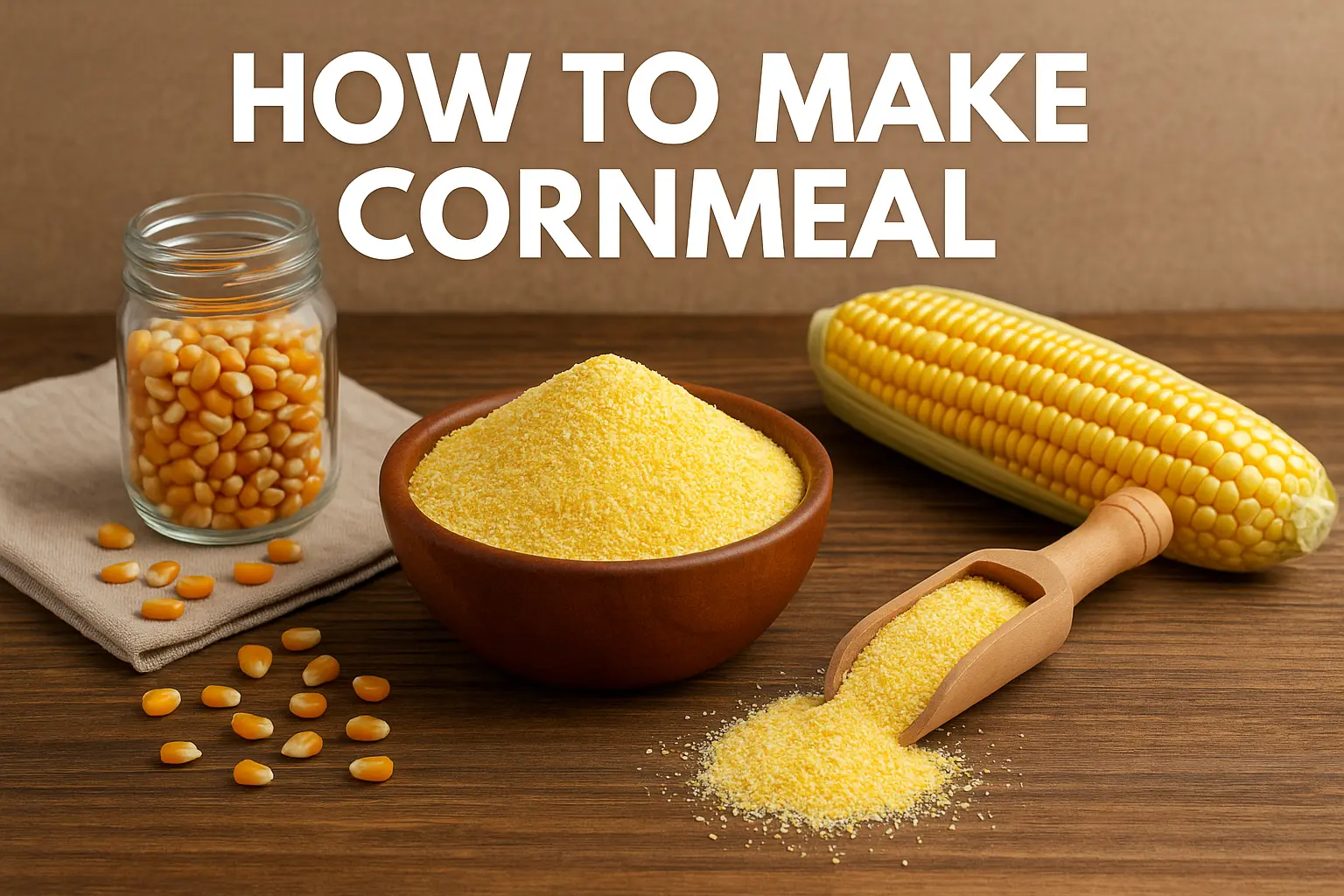
How to Make Fresh Cornmeal: A Complete Guide to Homemade Grain
Cornmeal is a culinary powerhouse, a humble ground grain that has enriched kitchens worldwide for centuries. From the comforting warmth of cornbread and the crisp coating on fried delights to the creamy heartiness of polenta and the simplicity of pancakes, its versatility is unmatched. While convenience often leads us to store-bought varieties, the truth is, learning how to make cornmeal at home is surprisingly simple and profoundly rewarding.
This comprehensive guide will demystify the process, taking you from dried kernels to fresh, flavorful cornmeal ready for your favorite recipes. We'll explore why homemade truly triumphs over store-bought, the specific types of corn best suited for grinding, the essential tools you'll need, and a detailed, step-by-step method for achieving perfect results every time. By the end, you won't just know how to make cornmeal; you'll have mastered the art of creating a foundational ingredient that elevates any dish.
Why Grind Your Own? The Unbeatable Advantages of Homemade Cornmeal
The allure of homemade cornmeal extends far beyond a simple DIY project. It's an investment in superior flavor, freshness, and control over your ingredients. Commercially produced cornmeal, though convenient, often contains preservatives and begins to lose its vibrant flavor the moment it hits the store shelf. Grinding your own guarantees maximum freshness, allowing you to experience the rich, authentic taste of corn as nature intended.
Beyond freshness, homemade cornmeal offers unparalleled flavor. The natural oils and aromas within the corn kernels are preserved until the moment of grinding, resulting in a significantly more aromatic and deeply flavored product than its pre-packaged counterparts. You'll immediately notice the difference in your baking and cooking.
Another significant advantage is the ability to control the grind size. Whether you desire a super-fine meal for delicate pancakes, a medium grind for classic cornbread, or a coarse texture perfect for robust polenta, making your own allows for complete customization. This level of precision is rarely available with store-bought options, empowering you to tailor your cornmeal to specific recipes and preferences. For an even deeper dive into these benefits, check out our article: Unlock Flavor: Why Homemade Cornmeal Beats Store-Bought Every Time.
Choosing Your Kernels: Not All Corn is Created Equal for Grinding
The foundation of exceptional cornmeal lies in selecting the right type of corn. While all corn looks similar, their starch content, texture, and flavor profiles vary significantly, making some varieties far more suitable for grinding than others.
- Dent Corn: This is the workhorse of cornmeal production and the most common choice. Characterized by a small "dent" at the top of each kernel, dent corn has a soft, starchy interior that grinds beautifully into a versatile meal. It's ideal for a wide range of uses, from cornbread to tortillas.
- Flint Corn: Known for its hard, glassy exterior, flint corn yields a coarser, often more rustic meal. It has less starch than dent corn and is highly prized for traditional polenta and grits, offering a distinctly chewy texture and rich flavor. Varieties like yellow, white, and even vibrant blue or red flint corn are excellent choices.
- Heirloom Varieties: Beyond dent and flint, numerous heirloom corn varieties exist, each offering unique colors, flavors, and textures. Blue, red, or purple corn kernels can create stunning, distinctly flavored cornmeal, adding an exciting dimension to your dishes.
- Why Sweet Corn Is Out: While delicious fresh, sweet corn is not suitable for cornmeal. It lacks the necessary starch content and firmness of field corn, resulting in a poor texture and flavor when dried and ground. Stick to dent or flint varieties for the best results.
Sourcing Dried Corn: The key to successful cornmeal is starting with fully dried, whole kernels. You can often find dried corn for grinding at local farmers' markets, especially during the fall harvest season. Health food stores and specialty grocery stores may carry organic or heirloom dried kernels. Online suppliers also offer a wide selection of bulk organic dried corn. Always ensure the kernels are completely dry, as any residual moisture can lead to mold development during storage or uneven grinding.
For more detailed insights into selecting the perfect corn, read our guide: Making Cornmeal at Home: Essential Tools & Best Corn Varieties.
Essential Tools for Grinding Cornmeal at Home
You don't need industrial equipment to make excellent cornmeal at home. A few common kitchen appliances can handle the job, each offering different levels of efficiency and grind consistency.
- Grain Mill: This is the ultimate tool for serious cornmeal makers. Available in both manual and electric versions, grain mills are designed specifically for grinding grains. They offer the most consistent grind size and are efficient for larger batches. Electric mills provide speed and ease, while manual mills offer a quieter, more traditional experience. If you plan to make cornmeal regularly, a grain mill is a worthwhile investment.
- High-Powered Blender (e.g., Vitamix, Blendtec): For smaller batches and convenience, a powerful blender can effectively grind dried corn kernels into meal. These blenders excel at creating varying textures, from coarse to fine, depending on how long you process the kernels. Ensure your blender has a strong motor to handle the hardness of the corn.
- Food Processor: A food processor can produce a medium-textured cornmeal, but it may struggle to achieve a very fine grind. It's a good option if you have one on hand and are looking for a coarser meal, but results can be less consistent than with a dedicated grain mill or high-powered blender.
- Mortar and Pestle: This ancient method is labor-intensive but provides a beautifully rustic, irregular cornmeal texture. It's perfect for small quantities or if you enjoy the traditional craft of grinding by hand. Expect a good arm workout!
Other Essentials: Regardless of your primary grinding tool, you'll also need baking sheets (for further drying kernels), airtight containers (for storing your finished cornmeal), and a fine-mesh sieve (optional, but highly recommended for sifting out any larger pieces and achieving a uniform grind).
Step-by-Step Guide: How to Make Cornmeal from Dried Kernels
Once you have your chosen corn kernels and tools, the process of grinding your own cornmeal is straightforward. Follow these steps for perfect results:
1. Preparing Your Corn Kernels
Proper preparation is crucial for both the quality of your cornmeal and the longevity of your grinding equipment.
- Inspect and Clean: Carefully inspect your dried corn kernels. Remove any pieces that appear damaged, moldy, discolored, or any remaining debris. A quick rinse under cold water followed by thorough patting dry can help remove dust or surface impurities.
- Ensure Optimal Dryness: This is perhaps the most critical step. Even seemingly dry kernels can retain enough moisture to cause issues. If your kernels feel even slightly damp, or if you're unsure, spread them in a single layer on a baking sheet. Dry them in a low oven (around 200°F / 93°C) for 1–2 hours, or until they are completely brittle and snap easily when bent. Allow them to cool completely to room temperature before grinding. Grinding damp kernels can lead to clumping, poor texture, and potential damage to your equipment.
- Optional Soaking (Rarely Needed): Some traditional methods suggest soaking and re-drying corn to soften the kernel hulls. However, for most modern dent and flint corn varieties, this step is unnecessary and can introduce unwanted moisture, so it's generally best to skip it.
2. Grinding the Kernels
The technique varies slightly depending on your chosen tool:
- Using a Grain Mill:
- Set up your mill on a sturdy surface.
- Adjust the fineness setting. It's often best to start with a coarser setting, then pass the cornmeal through again at a finer setting to achieve your desired texture. This prevents the mill from getting clogged and ensures a more consistent grind.
- Feed the dried kernels into the mill's hopper. For electric mills, turn it on and let it run. For manual mills, crank steadily.
- Collect the ground cornmeal in a bowl. Repeat passes as needed for finer results.
- Using a High-Powered Blender:
- Work in small batches (about 1/2 to 1 cup of kernels at a time) to avoid overheating your blender and ensure an even grind.
- Place the kernels in the blender jar, securing the lid.
- Start with short pulses to break down the kernels, then gradually blend on a higher setting.
- Periodically shake the blender or use a tamper (if available) to ensure all kernels are processed. Blend until you reach your desired consistency. Be careful not to over-process, which can heat the meal and alter its texture.
- Using a Food Processor:
- Add dried kernels to the food processor bowl. You can usually process slightly larger batches than in a blender.
- Pulse the kernels repeatedly. The food processor's blades are less effective at creating a fine powder compared to a blender or mill, so expect a coarser to medium grind.
- Process until you've reached the finest texture the machine can achieve without turning the meal into a paste (which can happen if the corn's natural oils are released too much from excessive processing).
- Using a Mortar and Pestle:
- Place a small handful of kernels in the mortar.
- Use a circular or crushing motion with the pestle to break down the kernels.
- Continue grinding until you achieve a coarse, rustic meal. This method is slow and best for small amounts.
3. Sifting (Optional but Recommended)
For a uniform texture, especially for baking, sifting your fresh cornmeal is highly recommended. Pass the ground meal through a fine-mesh sieve. Any larger, unground pieces can be returned to your grinder or blender for another pass, ensuring no waste and a consistent product.
4. Storing Your Fresh Cornmeal
Once you've made your cornmeal, proper storage is key to preserving its freshness and flavor. Transfer the freshly ground cornmeal to an airtight container. Store it in a cool, dark place, such as a pantry, where it will remain fresh for several weeks. For extended freshness, especially if you've made a large batch, consider storing it in the refrigerator (up to 3-4 months) or even the freezer (up to 6-8 months). This prevents the natural oils in the corn from turning rancid, which can happen more quickly with homemade meal due to the absence of preservatives.
Conclusion
Embarking on the journey of learning how to make cornmeal at home is more than just a culinary technique; it's a step towards greater self-sufficiency and a deeper appreciation for the ingredients that nourish us. The unparalleled freshness, superior flavor, and complete control over grind size make the effort undeniably worthwhile. With just a few simple tools and a bit of patience, you can transform dried corn kernels into a vibrant, aromatic cornmeal that will elevate everything from your morning pancakes to your most cherished family recipes. So, gather your corn and get grinding – a world of fresh, authentic flavor awaits!
